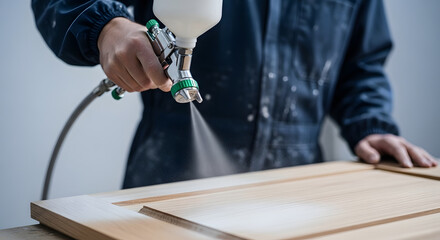
Homeowners today are paying closer attention to the environmental impact of their remodeling decisions. From energy efficient appliances to sustainable building materials, many people are looking for ways to create beautiful living spaces while reducing waste and conserving resources. When it comes to updating a kitchen, bathroom, or laundry room, cabinets often become a major focus. However, replacing perfectly functional cabinets can generate significant waste and require substantial new materials. This is why eco-friendly cabinet refinishing has become an increasingly popular alternative.
Cabinet Refinishing San Jose CA allows homeowners to transform the appearance of their cabinets without removing and replacing the existing structures. Beyond the cost savings and convenience, refinishing offers several environmental benefits that align with sustainable home improvement goals. By understanding the available eco-friendly cabinet refinishing options, homeowners can make choices that benefit both their homes and the environment.
Why Cabinet Refinishing Is an Eco-Friendly Choice
One of the most environmentally responsible aspects of cabinet refinishing is that it extends the life of existing cabinetry. Instead of sending old cabinets to a landfill, refinishing preserves materials that are still structurally sound and functional.
Cabinet manufacturing requires raw materials, energy, transportation, and production resources. When cabinets are replaced unnecessarily, additional environmental impacts are created through the manufacturing and delivery of new products. Refinishing helps reduce this demand by maximizing the lifespan of cabinets that already exist.
The waste reduction benefits are also significant. Large cabinet replacement projects often result in discarded wood, hardware, finishes, and packaging materials. By refinishing instead of replacing, homeowners help minimize construction waste and reduce the burden on landfills.
Eco-friendly cabinet refinishing supports the principles of reuse and resource conservation, making it an appealing choice for environmentally conscious homeowners.
Choosing Low VOC Paints and Finishes
One of the most important eco-friendly refinishing options involves selecting low VOC or zero VOC products. VOC stands for volatile organic compounds, which are chemicals that can be released into the air during and after painting or refinishing.
Traditional paints, stains, and finishes often contain higher levels of VOCs. These compounds can contribute to indoor air pollution and may impact air quality during the refinishing process.
Low VOC and zero VOC products are designed to minimize these emissions while still providing attractive and durable finishes. Many modern formulations offer excellent performance without sacrificing environmental responsibility.
Using low VOC products can create a healthier indoor environment for homeowners and their families. Reduced chemical emissions may also help minimize odors and improve overall comfort during and after the refinishing project.
As awareness of environmental and indoor air quality concerns continues to grow, low VOC products have become a preferred option for sustainable cabinet refinishing.
Water Based Cabinet Finishes
Water based finishes have gained popularity as an environmentally friendly alternative to many traditional solvent based products. These finishes use water as the primary carrier instead of chemical solvents, resulting in lower emissions and reduced environmental impact.
Water based paints, stains, and protective coatings often produce fewer odors and release fewer harmful compounds into the air. This can make the refinishing process more pleasant for homeowners and workers alike.
In addition to their environmental benefits, modern water based products provide impressive durability and performance. Advances in coating technology have allowed many water based finishes to offer excellent resistance to moisture, scratches, and everyday wear.
Water based finishes also tend to dry more quickly than some solvent based alternatives, which can help reduce project timelines.
For homeowners seeking an eco-friendly refinishing solution, water based products often represent one of the most effective choices available.
Using Sustainable Wood Repair Materials
Cabinet refinishing often involves repairing scratches, dents, chips, and other imperfections before applying new finishes. The materials selected for these repairs can also influence the environmental impact of the project.
Many eco-conscious homeowners choose repair products made from sustainable or low impact materials. These products may contain renewable ingredients or reduced levels of synthetic chemicals compared to traditional repair compounds.
Wood fillers and repair materials that prioritize environmental responsibility can help support a more sustainable refinishing process while still delivering reliable results.
Whenever possible, preserving existing cabinet components rather than replacing them further contributes to resource conservation. Small repairs can often restore damaged surfaces without requiring the production and installation of new materials.
Choosing environmentally responsible repair products complements the overall sustainability goals of cabinet refinishing.
Reusing Existing Cabinet Hardware
One frequently overlooked aspect of eco-friendly cabinet refinishing is the opportunity to reuse existing hardware. Cabinet knobs, pulls, hinges, and other hardware components can often be cleaned, restored, and reused rather than discarded.
Reusing hardware reduces waste and eliminates the need for manufacturing new products. Even when homeowners desire an updated appearance, existing hardware can sometimes be refinished to match the new cabinet design.
Metal hardware is often particularly well suited for restoration because it can be cleaned, polished, painted, or refinished to achieve a refreshed appearance.
When replacement is necessary, selecting durable and recyclable materials can further support sustainability goals.
By extending the lifespan of existing hardware, homeowners can reduce environmental impact while maintaining a cohesive and attractive cabinet design.
Natural Oil and Wax Finishes
For homeowners who wish to highlight the natural beauty of wood cabinets, natural oil and wax finishes can provide an eco-friendly alternative to some synthetic coatings.
These finishes often contain ingredients derived from renewable resources and may have lower environmental impacts compared to certain traditional products. Natural oils can penetrate wood surfaces and enhance grain patterns while providing protection against everyday wear.
Wax finishes can add a soft sheen and additional surface protection. Depending on the product selected, maintenance requirements may vary, but many homeowners appreciate the authentic appearance these finishes provide.
Natural finishes are particularly popular among those seeking a more organic and environmentally conscious design approach.
As with any refinishing product, it is important to evaluate durability, maintenance needs, and compatibility with the specific cabinet material before selecting a finish.
Reducing Waste Through Cabinet Refacing and Refinishing
While cabinet refinishing focuses on restoring existing surfaces, some homeowners combine refinishing with selective cabinet refacing. This approach involves replacing only certain visible components while preserving the majority of the cabinet structure.
By retaining cabinet boxes and internal components, refacing and refinishing generate significantly less waste than complete cabinet replacement. The amount of material sent to landfills is greatly reduced, and fewer new resources are required.
This strategy can be especially beneficial for homeowners who desire substantial aesthetic changes while still prioritizing sustainability.
Combining refinishing with selective updates allows for greater design flexibility while maintaining environmentally responsible practices.
The ability to modernize cabinetry without full replacement remains one of the strongest environmental advantages of refinishing projects.
Energy Efficiency and Environmental Benefits
The environmental benefits of cabinet refinishing extend beyond material conservation. Manufacturing new cabinets requires energy for harvesting raw materials, processing components, assembly, packaging, and transportation.
By choosing refinishing instead of replacement, homeowners indirectly reduce demand for these energy intensive processes. Fewer resources are consumed, and the overall environmental footprint of the project is often significantly smaller.
Transportation emissions can also be reduced because large quantities of new materials do not need to be delivered and installed. Existing cabinetry remains in place, minimizing the logistical requirements associated with major renovation projects.
These cumulative benefits make cabinet refinishing one of the more sustainable remodeling options available to homeowners.
When combined with environmentally friendly products and practices, refinishing can contribute meaningfully to broader sustainability goals.
How to Choose an Eco-Friendly Cabinet Refinishing Approach
Selecting the most environmentally responsible refinishing strategy involves evaluating several factors. Homeowners should begin by assessing the condition of their cabinets. If the cabinetry remains structurally sound, refinishing is often the most sustainable option.
Product selection is equally important. Choosing low VOC paints, water based coatings, and environmentally responsible repair materials can help reduce the project’s environmental impact.
Reusing existing hardware whenever possible further supports waste reduction efforts. When replacements are necessary, durable and recyclable materials are often preferable choices.
Homeowners should also consider long term durability. High quality finishes that last for many years reduce the need for future refinishing or replacement, ultimately conserving resources over time.
A thoughtful approach that balances appearance, performance, and environmental responsibility can help achieve the best overall results.
The Growing Popularity of Sustainable Home Improvements
As environmental awareness continues to increase, more homeowners are embracing sustainable remodeling practices. Cabinet refinishing aligns perfectly with this trend because it combines visual transformation with resource conservation.
Many people are discovering that environmentally responsible choices do not require sacrificing style or functionality. Modern refinishing products offer a wide range of colors, finishes, and design possibilities while supporting sustainability goals.
The growing availability of low VOC products, water based coatings, and eco-friendly materials has made sustainable refinishing more accessible than ever before.
This shift reflects a broader movement toward responsible consumption and thoughtful home improvement decisions that benefit both homeowners and the environment.
Final Thoughts
Eco-friendly cabinet refinishing offers homeowners an effective way to update their living spaces while reducing environmental impact. By preserving existing cabinetry, minimizing waste, selecting low VOC products, using water based finishes, and reusing hardware whenever possible, homeowners can create beautiful and sustainable results. Refinishing extends the life of functional cabinets while conserving valuable resources and reducing the demand for new materials. For those seeking a greener approach to home improvement, eco-friendly cabinet refinishing represents a practical and rewarding solution that combines aesthetics, value, and environmental responsibility.